Doctor App
A preventive health app that reads vital signs from a face scan. Point the camera, wait, and get the numbers back, behind an interface kept deliberately plain.
Overview
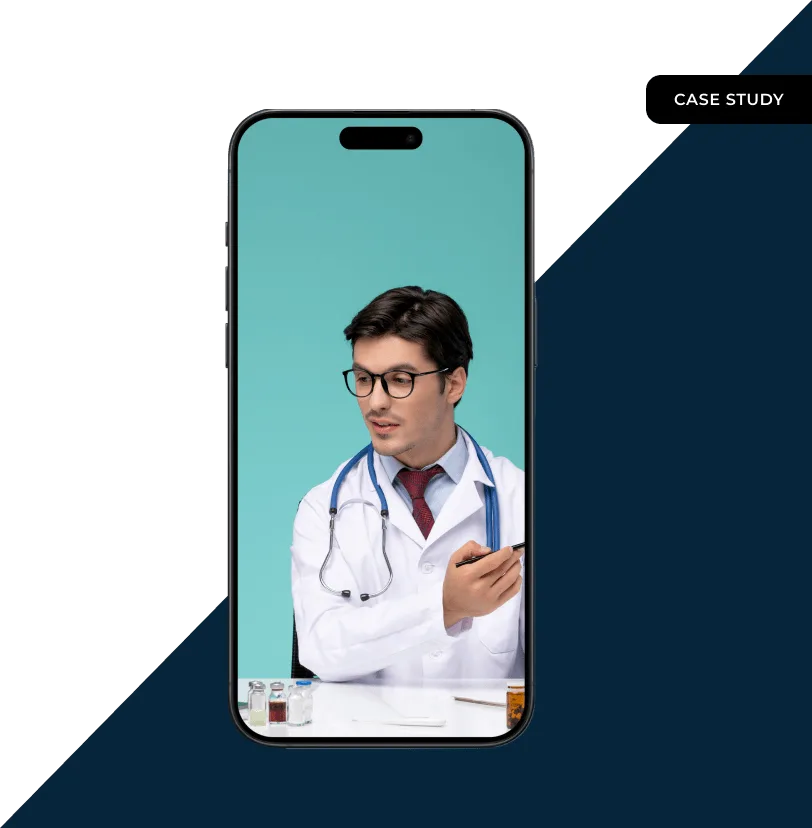
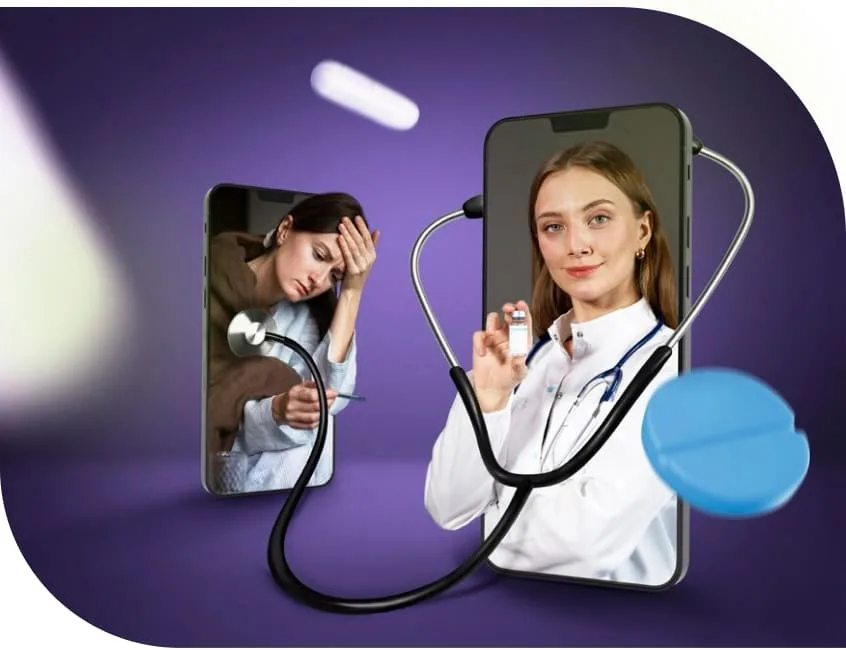
Doctor App reads vital signs from a face scan. You look at the camera, and it gives you health metrics back without a cuff, a clip or a trip to a clinic.
They came to Sphinx Solutions for a preventive health application: scan a face, return the metrics, and do it in a way somebody would actually use.
They arrived with the project already thought through, which is rarer than it sounds and makes a difference to how a build goes. There was a clear objective and a plan behind it.
Our developers went through the concept and the requirements properly before proposing anything, because in a health application the thing being measured decides the architecture rather than the other way round.
The brief was a mobile application that would read a long list of vitals from a facial scan: heart rate, oxygen saturation, HRV-SDNN, hemoglobin, stress response, stress level, recovery ability, cholesterol, breathing rate and blood pressure, and return them in a few minutes.
The interface had to stay minimal. On a health app the temptation is to show everything at once, and everything at once is what stops people using it.
The client was specific about wanting a sleek interface with intuitive navigation, so we worked through design principles, restrained animation and clean layouts rather than decorating it.
Integrating the facial scan was the harder half. It sits directly on top of both the user experience and the app’s security: it needs the camera, it processes something personal, and it has to feel unremarkable while doing it.
We built on infrastructure chosen for that, and worked in short cycles, because a scanning feature is the sort of thing you find out about by testing rather than by planning.
We built the cross-platform application, with the scan at the centre of it and everything else kept out of its way.
What made it work was studying the client’s objectives properly first. On a product whose whole value is the accuracy of a number, the specification is the product.
Sphinx Solutions delivered a cross-platform preventive health application built around facial scanning: the scan as the primary interaction, a deliberately minimal interface over it, and the security and privacy work a health app has to stand behind.
“Partnering with Sphinx Solutions proved to be an excellent journey. Thanks to their skilled app developers who tirelessly worked with the best approaches and cutting-edge technologies to achieve desired results. Highly recommended.”
Tech stack
What people usually ask about Doctor App and about building something like it.
A healthcare application with custom features and a considered interface starts around $40,000 and runs to $150,000. The spread is that wide because it depends on complexity, the feature set, the design, the platforms and who builds it. Our app cost calculator will price your own brief.
Define the goals, research the market and the competition, settle the features, and then, before any of the fun parts, work out which regulations and compliance regimes apply to you. Choose the stack against that, prototype and wireframe, set up the environment, build, then test properly. The compliance step comes fourth for a reason: it constrains everything after it, and retrofitting it is how healthcare projects get expensive.
Heart rate, breathing rate, oxygen saturation and heart rate variability are read from facial video routinely, by detecting the small colour changes in skin as blood moves through it. Beyond that it gets harder: blood pressure, hemoglobin and cholesterol from a camera are an active research area rather than settled practice, and any product claiming them should be able to show you its validation. If you are building in this space, decide early which claims you are prepared to defend, because that decision drives your regulatory position.
Connect with us


