

Key Takeaways
- Website security protects sensitive customer data, login credentials, and payment information, helping businesses prevent data breaches and maintain user trust.
- Strong website security measures such as SSL certificates, firewalls, and regular updates reduce cyberattacks and improve overall website performance.
- Website security is important for SEO because secure HTTPS websites gain better search visibility, improved rankings, and higher customer confidence.
- Regular security audits, backups, and malware protection help businesses maintain website continuity and recover quickly from unexpected security incidents.
- Investing in website security solutions helps businesses meet compliance requirements, protect brand reputation, and prepare for future cybersecurity threats.
In today’s digital age, where any website or online platform plays a pivotal role in making a business successful, implementing top-notch security measures for web app development is extremely important. As modern technologies continue to evolve, the risk of cyberattacks, data theft, and hacking is also increasing at a rapid pace.
That is why experts always suggest that online business owners strongly focus on security issues with websites, as they directly impact business growth and customer retention. In this blog, we are going to explore why website security is important for any business. Let’s get started.
What is Website Security?

Before we talk about the importance of website maintenance and security, it’s important to know the basics. Website security refers to some systematic practices that mainly protect online platforms, online platforms, and web apps from hacking and data breaches. Web security is essential to keep a website safe from the following attacks:
- Hacking attempts
- Phishing schemes
- Malware installations
- Cross scripting
- Cross-site request forgery
- SQL Injection
- Broken authentication
- Bad Bots
- DDoS attacks
- Vulnerability exploits
- Defacement
What are The Web Security Strategies?
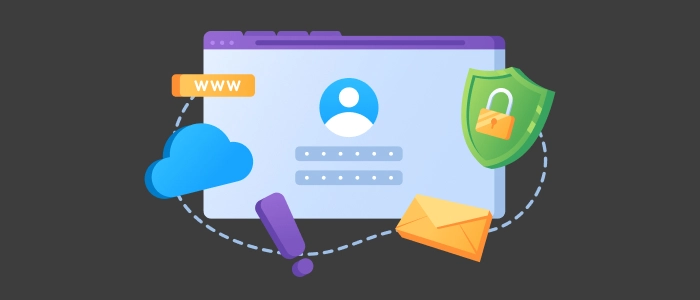
To keep a website safe from cyber threats & vulnerabilities and secure online presence several strategies are mostly implemented. Some of the popular strategies the many web development companies follow include:
1. TLS/SSL certificates: Implement TLS (Transport Layer Security) or SSL (Secure Sockets Layer) for encrypting data transmission. This secures user data and helps in achieving good SEO rankings.
2. Strong password: Enforce strong password policies for administrators and users to protect unauthorized access effortlessly. Using a reliable open source password manager can simplify storing and managing these strong passwords without the need to remember them all.
3. Proper software updates: Keep every software, including CMS (Content Management System), themes, and plugins up to date to reduce the risk of vulnerabilities.
4. Firewalls: Implement WAF or web application firewalls to manage malicious traffic & protect the website from common cyber threats.
5. Incident response plan: Create an appropriate incident response plan to understand how to react in case of data breaches and how to fix them accurately. This should include strengthening email security—implementing a proper DMARC setup helps prevent spoofing and ensures that only authorized senders can use your domain.
6. Security plugins: Use security tools and plugins to track & monitor your website. This enhances your overall website security levels.
7. Regular backups: Backup all data of your website regularly to ensure that you can recover from a website security issue quickly. Regularly performing a website backup is essential to ensure you can quickly recover from any website security issue and avoid data loss
8. Security audits: Conduct website security audits periodically to address vulnerabilities & proactively manage them. Using resources like an updated CVE database helps identify known issues and ensure timely patching
9. User access control: Focus on user access control to minimize the risk of unauthorized access and data breaches. Additionally, organizations can improve their overall resilience by implementing an email phishing simulation service, which helps employees recognize and respond to phishing attempts before they become serious threats. Many businesses also rely on user access review tools to regularly audit permissions and ensure that only the right individuals have access to sensitive systems.
Looking for Website Development Solutions?
Elevate your business growth with our custom web development services.
Why is Website Security Important?

Web security plays an important role in protecting website data, user information, and so on. Some of the biggest benefits of having top-notch website security solutions include:
1. Safeguarding sensitive data: One of the major primary reasons to enhance website security to sensitive user data and information. A website usually stores and manages a vast amount of data such as user info, payment details, login credentials, customer contact details, etc.
Data breaches may lead to major consequences like financial losses, reputational damage, data theft, and so on. Proper security practices ensure that all data and information are safe and website integrity and trust are also maintained. Using the best content filtering software can further protect sensitive information by blocking access to malicious websites and preventing harmful content from reaching users.
2. Preventing cyber attacks: Cyberattack is a major concern nowadays and it may come in different forms from cross-site scripting (XSS) to distributed denial of service (DDoS) & SQL injection. If you don’t enhance your website security measures, it will be highly vulnerable to these attacks and malicious activities.
Moreover, data breaches due to cyber attacks also disrupt your business operations, harm your online presence, and compromise your website data. Implementing the best website security practices — including using tools like firewalls, SSL certificates, and understanding VPN — what is it — effectively prevents all kinds of cyber attacks & eliminates the risk of malicious activities. Mac users can also download veepn for mac to strengthen their online security and privacy.
3. Developing trust with users: Building trust is one of the paramount elements to achieve success for any website owner, whether it is a blog site or an eCommerce platform. Web page security plays a vital role in increasing user trust and retention rates.
If your website is not secure and not protected adequately, it may erode user trust. Once security breaches start, users will lose trust in your website’s ability to protect sensitive information with a VPN. This may result in business losses & damaged reputation.
4. Legal Compliance: Based on your website’s nature and location, you must focus on several key legal requirements related to data privacy and data protection. If you do not comply with these regulations, this may lead to major legal consequences, including lawsuits and fines. Proper security measures not only safeguard your user information but also keep your website in legal compliance with relevant laws like GDPR or General Data Protection Regulation. For businesses operating in regions with specific data regulations, such as New York City, consulting a cybersecurity lawyer can help navigate complex legal requirements and ensure ongoing compliance with these regulations. Using tools like privacy management software such as OneTrust, Scrut, TrustArc, and DataGrail is a foolproof way for your website to meet these compliance standards and efficiently manage user data protection
5. Safeguarding against malware: Malware refers to malicious software as one of the major threats to any website & users. It may infiltrate websites, steal sensitive user information, and compromise user devices.
Implementing higher security measures will help to detect & prevent malicious activities and keep your website completely safe. This ensures that your online activities remain trustworthy and clean especially important when managing sensitive data or online records on platforms like unicourt. This ensures that your online activities with your website remain trustworthy and clean.
6. Protecting business continuity: Website security plays of an important role in managing business continuity. Security breaches and cyberattacks may lead to major data losses. This may have a major impact on your overall business operations. Best website security companies effectively reduce the risk of disruptions and also help you keep your business running seamlessly. When evaluating which privacy and compliance platforms sit behind those security controls, an independent OneTrust review is a useful starting point for comparing consent, GRC, and DSAR modules against the operational reality of keeping a website compliant.
7. Improving SEO Rankings: Search engine ranking is a very crucial element for any website owner. Popular search engines (Google) usually consider proper web security measures as a ranking factor. Secure websites mostly use Hypertext Transfer Protocol Secure or HTTPS which helps in improving search engine rankings. As search engines prioritize secure websites, maximize these benefits with an effective SEO strategy. You need to regularly monitor your website’s rankings using an SEO rank tracking tool. which helps track your progress and identify areas for improvement. Niche edits, such as incorporating specific links relevant to your content, like tiny homes for sale in Hawaii, also help to rank your website higher in the search engine results page.
Therefore, high-security measures not only protect your website from cyber threats but also improve website traffic and online visibility. This leads to enhanced conversions and better revenue.
8. Preparing for future threats: In today’s digital landscape, where technologies are constantly evolving, cyber threats and malware activities also continue to advance. By investing in proper website security solutions, you will be prepared to fight against present & future cyber threats. Staying ahead of website hackers and potential attackers is crucial for protecting your website and online assets.
Benefits of Hiring The Best Website Security Companies

Hiring a reliable web security company provides a number of benefits for your business. Some of the prominent advantages include:
1. Specialization & expertise: Best security companies are highly dedicated to mitigating any online threats. They have industry expertise and knowledge in addressing vulnerabilities & implementing important security measures for their client’s websites.
2. Continuous monitoring: Website security agencies usually offer 24/7 client support. This ensures that all your online assets and websites are fully protected at all times. They can also quickly detect & respond to any cyber threats in real time.
3. Advanced technology: Reliable web security agencies often have access to advanced security tools & technologies. Implementing these tools and technology features will enhance your overall website security levels.
4. Threat intelligence: The best website security companies stay updated with highly advanced cyber threats, attack techniques, and vulnerabilities. They can easily apply threat intelligence to protect your website and other digital assets.To enhance this protection, container security can be implemented to safeguard applications and workloads running in containerized environments from potential breaches.
5. Customized solutions: Good website security companies tailor their security solutions to your needs. This mostly results in a more effective and targeted security strategy.
6. Regulatory Compliance: Reliable companies help you achieve all industry-centric regulations & compliance requirements like PCI DSS, GDPR, or HIPAA by implementing essential web security controls.
Want to Hire Web Developers?
From eCommerce to healthcare, we help brands create fully functional websites.
Final Words
Website security is a fundamental and crucial aspect of maintaining an online business successfully. Neglecting essential security measures may lead to financial losses, data breaches, damaged reputation, and legal consequences. As cyber-attacks and threats are prevalent on today’s internet systems, you have to take proper safety measures to keep your website safe and secure. However, securing a website today never guarantees ultimate protection. It’s better to stay updated with the security solutions to maintain a robust defense.
FAQ’s
What is website security and SSL?
Website security and Secure Sockets Layer (SSL) are powerful components of website integrity and safety & the data they manage. Website security mostly refers to practices and measures that help to protect any website from multiple online threats like hacking, malware, data breaches, and other activities.
On the other hand, SSL is a digital certificate that mostly authenticates the identity of a website & enables encrypted connections. As the security protocol makes an encrypted link between the web browser and a server.
What are the three elements of a secure site?
Developing a secure website mostly involves implementing several elements & best practices. However, the three most crucial elements of a secure website include:
- HTTPS (SSL/TLS Encryption)
- Strong Authentication and Access Control
- Regular Software Updates and patch Management
What are the 7 types of cyber security?
Cybersecurity is a diverse field that effectively encompasses different aspects as well as specializations. 7 most popular types of cyber security include:
- Network security
- Information security
- Endpoint security
- Cloud security
- Application security
- IoT security
- Endpoint security
How much does it cost to set up a website?
The website making cost usually ranges from $1000 to $15,000. The cost to set up a website varies depending on a number of factors such as web pages, website type, design complexity, website features, web development platform, developer’s hourly rates, geographical locations, etc.
What does it cost to build a website?
On average, the upfront cost of developing a feature-rich website mostly ranges from $300 and $5,000. However, this cost is a rough estimate because there are several factors that influence the overall cost of website development such as project complexity levels, number of web pages, development platforms, developers’ charges, geographical locations, maintenance & hosting, etc.
How much does it cost to get a website?
The cost of developing a website starts from $800 to $2000. However, this cost varies depending on a number of elements such as project complexity levels, website features, website type and categories, development platform, developers charges, geographical locations, etc.


 Shaili Gupta

 Ajay Wadne


