

The global healthcare industry significantly increases technology intervention, opening doors for healthcare business ideas. Quoting the words of a leading authority of Harvard Business School professor, Michael Porter:
“The healthcare sector is not just about providing medical care but about innovating business models that reduce costs, enhance access, and improve quality of life.”
The aftereffects of the COVID-19 pandemic have shifted people’s perspective toward wellness at an alarming rate. It justifies the statement by highlighting the requirement for new and innovative healthcare business ideas.
The demand for innovative healthcare startups has been higher since then as consumers seek cost-effective, convenient alternatives to traditional healthcare services. The increase in technologies such as telehealth, wearables, and AI-driven healthcare solutions are quite a handful of examples of the same.
Grand View Research said the smart healthcare market worldwide was $144.9 billion in 2022. The increment will grow with a CAGR of 11.3% between 2023 and 2030. Growth is, of course, setting a future mark by the trillions.
Finding innovative and profitable healthcare business ideas can be overwhelming.
Explore expert insights to unlock your business’s full potential.
Bringing golden opportunities for aspiring entrepreneurs for healthcare business ideas, from online pharmacies to telehealth services, modern technologies are yielding the highest returns. Working with Preferred Dental Solutions – Strategic Credentialing can help healthcare startups streamline credentialing and focus on growth. Categories of AI-driven technologies, mental health tech, psychiatry ehr systems, or personalized medicine will help to narrow down the next big startup opportunity.
Let’s explore how these innovative solutions can convert into profit-generating business models by transforming the healthcare industry. These healthcare business ideas will create new revenue streams and improve the health outcomes of millions worldwide.
In the blog section, 15 groundbreaking healthcare business ideas are discussed and explained well, along with promising opportunities. They are aligning with the latest industry trends for growth and success.
AI-Powered Telehealth Platform

Bridging the gap between patients and healthcare providers, telehealth streamlines medical solutions without the need to visit a clinic or doctor. For entrepreneurs exploring this sector, a strategic business setup—including proper company registration—is essential. Innovative ideas in the telehealth space now include AI-driven platforms, which primarily operate through virtual consultations to provide accurate diagnoses and support users in managing their health proactively.
An AI-powered telehealth platform delivers better healthcare services by fusing AI with telemedicine.
- Symptom Analysis: Patients can use voice input or a chatbot to explain their symptoms. AI will analyze them using large datasets to suggest possible conditions and guide the patients with appropriate treatment care.
- Virtual Consultations: AI-powered scheduling guarantees patients are paired with the best medical specialist based on their urgency, history, and symptoms.
- Predictive Analytics: AI-enabled platforms can forecast possible health problems based on one’s health history and then use real-time data from wearable devices. It also suggests interventions for the prevention of these problems.
- Administrative Assistance: Appointment reminders, refill prescriptions, organization of medical records, and other similar routines can be performed automatically instead of keeping doctors and other healthcare professionals busy with administrative workloads.
Example: Babylon Health
Babylon Health is a UK telehealth platform that has made healthcare accessible to its clientele. The system renders an immense impact in relieving the traditional healthcare system through scalable and, more importantly, on-demand services. During the COVID-19 pandemic, this platform helped thousands of users get critical healthcare services sitting at ease in their homes with the powers of AI.
Check Out Related Posts
Personalized Health and Wellness App
Scalable health solutions have become necessary with the rising incidents of chronic diseases like diabetes, obesity, or stress-related diseases. Indolence is often attributed to time, resources, or personalized guidance, prompting individuals to take a backseat in their health and wellness decision-making process. That’s where the idea of a Personalized Health and Wellness App comes in handy: to meet health needs and guide users on wellness.
The Idea:
A single app that becomes a personal coach, nutritionist, and fitness trainer all at the cost of one. The app uses AI, machine learning, and wearable device input to provide real-time advice according to the health profile.
- User-Centric Personalization: Analyzing the data collected through various health assessments and wearables like fitness trackers or smartwatches. It creates a customized diet plan, exercises, sleep, and stress management.
- Dynamic Recommendations: As the health statistics change, there will be changes in the health advice based on sleep patterns, heart rate, blood pressure level, etc.
- Gamification and Motivation: Besides, the application provides challenges, badges, and rewards for users to achieve one or more milestones in their fitness journey.
- Professional Guidance: The app allows users to connect with health coaches, dieticians, and doctors for expert advice whenever required.
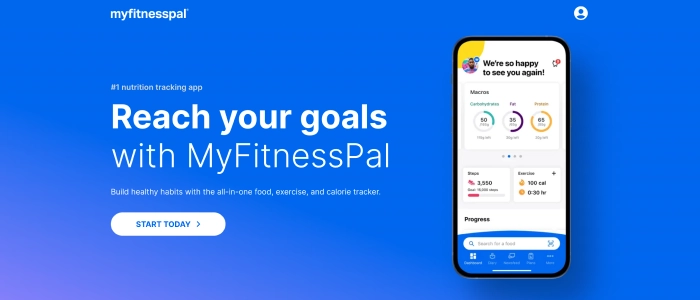
Example: MyFitnessPal
MyFitnessPal is the most prominent personalized health and wellness application; indeed, it is an app that has a vast user base engaged in tracking their calorie intake and exercising. It has a simple interface to log foods and activities, empowering users to take charge of their health goals.
Check Out Related Posts
On-Demand Home Healthcare Services

Healthcare services are beginning to adapt to modern lifestyles that depict every availability in the comfort of their homes. On-Demand Home Healthcare Services is an innovative healthcare startup idea that merges technology with patient care to meet health needs without the stress of hospital appointments.
The Idea:
In this startup, patients, like busy professionals or elderly patients, can book healthcare providers for post-surgical care, chronic disease management, elderly care, or pediatric support.
Use Friendly Platform: Patients can browse the services through a website or a mobile app. They can check credentials, read reviews, and book a healthcare professional for a specific time slot.
Comprehensive Care Services: The services include everything possible, from regular check-ups and physiotherapy to specialized care like wound dressing or administering injections. Often, to find personnel for these services, providers rely on medical hiring experts.
Seamless Integration with Technology: Features like teleconsultations, digital prescriptions, and health monitoring are integrated to ensure holistic care.
Focus on Quality and Trust: There are feedback systems to screen healthcare providers to maintain the high standards of the services provided.
Example: Heal
One of the on-demand healthcare services that offer a mobile application for primary care, preventative checks, and immunization for the whole care available at home is Heal, founded in 2014. They also have licensed doctors for home visits, which is the brim of convenience. The same-day appointment option is the favorite among patients who value personalized care.
The app’s success demonstrates that the scalability and impact of on-demand healthcare services in modern times is a hit startup idea.
Facing challenges in identifying profitable opportunities in healthcare?
Discover actionable insights for successful healthcare ventures today.
Digital Therapeutics for Chronic Diseases
Chronic diseases are silent killers responsible for 74% of deaths globally. Looking at these disturbing numbers, managing the conditions requires continuous attention and intervention. To address this problem, digital therapeutics for chronic disease management with technology-driven solutions were designed to empower patients, improve treatments, and reduce healthcare costs.
The Idea:
Digital therapeutics, DTx in abbreviated form, for ordinary persons encountering chronic ailments, will act as a bridge. Evidence would be available in software for treatment related to diabetes, hypertension, and mental health.
Personalized Treatment Plans: These AI-powered platforms will create customized treatment plans based on data analyzed and personalized effectively for users; they will be synchronized with practice EHRs to allow enhanced capability for a physician’s review of patient response and adjustment of the treatment plan.
Real-Time Monitoring: Connection with wearable devices and sensors tracks vital signs like glucose level, heart rate, and blood pressure, allowing the system to provide instant alerts for anomalies.
Behavioral Coaching: Interactive modules guide users to adopt healthier habits through gamification, reminders, and attractive rewards. Also, access to educational resources, chatbots, and live experts are present to address concerns.
Example: Omada Health
In California, Omada Health is a healthcare startup that manages chronic diseases through coaching, education, and constant monitoring for user health improvements. It resulted in better health outcomes and high patient satisfaction.
Check Out Related Posts
Virtual Reality for Therapy and Rehabilitation
Virtual reality is an ideal technology for rethinking therapy and rehabilitation, which is increasingly being used beyond just playing a video game and having a good time. The Virtual Reality for Therapy and Rehabilitation is nothing less than an adventure for patients who have suffered a stroke or are a PTSD survivor fighting fears.
The Idea:
Using technologies like VR for rehabilitation through a long-lasting impacting immersion procedure brings a revolutionary change. It can captivate big names and revolve around adapting the habitations on their premises.
Therapeutic Simulations: VR creates opportunities to heal that were unimaginable for patients to engage in controlled simulated environments for the treatments. Stroke survivors can regain motor skills through virtual tasks, and PTSD patients can safely be exposed to triggers.
Personalized Treatment Plans: VR-based therapy can be customized for individuals, adjusting complexity and goals per the patient’s progress.
Pain Management Alternative: VR isn’t a painful task but a distraction technique for patients undergoing procedures or chronic conditions to gain relief. VR can reduce pain by immersing yourself in calming and interactive environments.
Example: MindMaze
MindMaze is a big player at the forefront of VR-based neurorehabilitation. It uses virtual environments that help patients to recover from brain injuries and neurological conditions. Founded in 2021, with a combination of neuroscience and immersive tech, MindMaze’s success highlights VR’s scalability and life-changing technological potential.
Check Out Related Posts
How is Healthcare Software Development Improving Patient Care?
Blockchain for Medical Records
The digital age calls for more innovative, faster, and secure healthcare solutions. Blockchain for medical records is a need for transparency and security in the healthcare industry. Blockchain makes this process simple and safe for startups hoping to create an impression. Therefore, it makes sense.
The Idea:
Medical records can now become decentralized, tamper-proof data systems. With this technology, they can ditch petabytes of fragmented data while ensuring accessibility, accuracy, and security of medical histories.
Patient-Controlled Data: Patients can protect their medical records by holding a key and have access to decide for how long.
Streamlined Record Sharing: Blockchain reduces delays and duplicate testing by enabling healthcare practitioners to access patient data safely.
Immutable and Storage Source: Blockchain’s encryption ensures that data doesn’t change, guarding against security breaches and unintentional loss.
Example: MediBloc
MediBloc, a growing blockchain example in healthcare, provides a decentralized health data platform where users can safely manage and exchange their medical records. MediBloc facilitates interoperability and real-time updates, opening the door for effective, patient-centered treatment.
Finding innovative and profitable healthcare business ideas can be overwhelming.
Explore expert insights to unlock your business’s full potential.
Smart Pharmacies with Automated Dispensing
Modern healthcare re-imagines the patient’s experience innovatively and embraces other elements beyond doctors and hospitals. Smart Pharmacies with Automated Dispensing is a trailblazing healthcare startup idea meant to create a better pharmacy experience.
The Idea:
Workers in these smart pharmacies should wear clean and functional medical uniforms. Such pharmacies can operate independently or be integrated with existing healthcare facilities in a more innovative pharmacy format.
Automated Prescription Fulfillment: Anything from dispensing to prescribing medicines must be robotized or automated with particular studies to ensure precise content and eradicate incautious dispensing errors.
Streamlined Ordering and Pickup: Patients can upload prescriptions for the order, and the pharmacy will notify them when they are ready. Some also include secure lockers for 27/7 pickup.
Integration with Digital Health Records: Smart pharmacies are synced with electronic medical records (EMRs), ensuring the patient’s medication history is accurate and current.
Value-Added Services: Features like medication reminders, adherence tracking, and consultations with pharmacies through telehealth platforms make these pharmacies stand out.
Example: Capsule
A New York-based smart pharmacy, Capsule is an automated dispensing startup that lets users order the medication and provide same-day delivery with an added perk of one-on-one consultations with pharmacies. This simplified the healthcare supplies while keeping patient’s needs front and center.
Check Out Related Posts
Remote Patient Monitoring (RPM) Devices
A revolution has been brought about by remote patient monitoring devices, where the clinical side collects various condition data while the patient is involved through real-time health insights. The vision is to create a healthcare system where patients feel cared for, not just treated.
The Idea:
RPM devices can enable preventive care and early intervention without a hospital visit.
Wearable Device: Users can wear or keep an at-home device synced quickly with a mobile or desktop app.
Alert System: Healthcare providers receive alerts and notifications based on the device’s data when it deviates from the normal range, allowing for proactive management.
Shared Insights: The insights on the resulting outcomes can be shared during telehealth appointments to ensure data-driven discussions about health.
Example: Biofourmis
RPM is gleaming with promise and in Biofourmis shine. Biometrics with AI in predicting health events, such as heart failure, and, thereby, proceeding toward timely interventions, revolutionizes chronic disease management. Biofourmis illustrates how RPM is more than a buzzword; it is healthcare.
Check Out Related Posts
Health Data Analytics for Hospitals
Hospitals should train themselves to work more smartly and not just harder in the light of soaring costs in healthcare and the increased specific demands of their patients. Health Data Analytics for hospitals is an innovative healthcare startup idea involving big data and advanced analytics to transform hospital operations.
The Idea:
In this concept, data is acquired and analyzed, and value is brought to data to make informed decisions regarding hospital operations. Hospitals can create trends, predictions, and processes by understanding patient needs through machine learning, artificial intelligence, and predictive analytics.
Data-Driven Decision-Making: Hospitals can anticipate requests for services like intensive care unit beds or surgical facilities, identify high-risk patients, and estimate admission rates using patient data.
Patient-Centric Care: By determining the most effective medicines based on demographic, genetic, and medical history data, analytics can help patients receive more individualized care.
Operational Efficiency: Hospital administrators may minimize resource waste, reduce waiting times, and optimize scheduling using tools like dashboards and automated reports.
Example: Innovaccer
This is how the vision is put into action by the company, health-tech Innovaccer, having data-driven solutions for hospitals to integrate different data sources, improve coordination in care, and achieve personalized treatment plans. They’ve demonstrated how it is possible with analytics-bridging gaps within a healthcare system that is smarter and more efficient without comprising clinical care.
Facing challenges in identifying profitable opportunities in healthcare?
Discover actionable insights for successful healthcare ventures today.
Subscription-Based Preventive Care Services
Subscription-based Preventive Care Services benefit from the transition in healthcare from reactive treatments to proactive prevention. This healthcare startup concept embraces affordability and ease while allowing people to keep ahead of health risks.
The Idea:
Regular health monitoring, screenings, and wellness programs through a membership model are designed for busy urbanites striving for work-life balance or families with chronic diseases.
Affordable Membership Tiers: Specific plans for subscribers according to their needs, such as annual health check-ups, monthly wellness counseling, or quarterly diagnostic tests.
Preventive Care Packages: Lifestyle consultations, routine blood tests, fitness tracking, dietary planning, and vaccinations are all curated for personalized health journeys.
24/7 Health Advisory: A dedicated hotline or app-based advisory connects members to healthcare professionals for immediate guidance.
Example: Forward
Forward Health is a subscription-based preventive care services startup that combines technology with personalization of care. The services can range from unlimited in-person visits to genetic screenings, with members receiving real-time health insights. It refines the approach towards health care, paving the way for a healthier, more empowered society.
Check Out Related Posts
Genetic Testing and Personalized Medicine
The saying “prevention is better than cure” encapsulates the potential impact of personalized medicine. Genetic Testing and Personalized Medicine is a visionary startup idea that reshapes the diagnosis and treatment process and even prevents diseases by focusing on one-size-fits solutions.
The Idea:
New technologies in genetic testing offer personalized health insights and provide healthcare recommendations that can include:
Personalized Disease Risk Assessments: Through genetic testing, individuals can understand their susceptibility to possible conditions like cancer, diabetes, or heart disease by analyzing their genetic profile.
Treatment Plans for All: Patients are matched with drugs and therapies based on their genetic markers, reducing therapy trial and error.
Preventative Health Strategies: Offering lifestyle and nutritional regimens based on genetic predispositions to improve health results.
Example: 23andMe
In the genetic testing space, 23andMe is the leading app that provides a consumer-friendly platform. It gives consumers insights into their lineage, genetic health risks, and attributes in an understandable style. Such an example demonstrates how genetic testing links science with habits, building trust and curiosity with the public and paving the way for new startups to explode into personalized medicine.
Check Out Related Posts
Mental Health Support Chatbots
As the world is aware of mental health, so is the healthcare industry coming up with the support that can be provided. The Mental Health Support Chatbots are introduced for the ones seeking support and offer help anytime, anywhere.
The Idea:
Mental Health Support Chatbots built by mental health tech startups aim to normalize mental wellness as essential to everyday life. Customers can access mental health information, coping mechanisms, and emotional support to address stress, anxiety, and depression with AI-powered solutions.
Round-The-Clock Availability: The chatbots always offer a safe environment for sharing without fearing judgment.
Personalized Interaction: Conversations based on user inputs are tailored to offer suggestions like mindfulness exercises or journaling prompts.
Integration with Professionals: For serious matters, the chatbot helps connect users to licensed therapists or counselors for assistance. In some cases, it may even guide users to schedule a psychiatrist session online, depending on the severity of the matter.
Example: Woebot
Woebot was launched in 2017 and uses CBT (Cognitive behavioral therapy) technique to help users suffering from mental health problems. The bot’s conversational style is human and engaging, which gives support and educational advice. After touching countless lives, Woebot shows that AI-driven tools can democratize mental health resources for a global issue.
Finding innovative and profitable healthcare business ideas can be overwhelming.
Explore expert insights to unlock your business’s full potential.
Healthcare Delivery Using Drones
Not sarcastically when it is said that the healthcare industry is taking flight; it is valid in all its senses. The possibility of drones delivering critical medical supplies has revolutionized the industry. Healthcare Deliver Using Drones is not just a startup idea but a leap towards efficiency, accessibility, and life-saving impact.
The Idea:
Life and death are a matter of seconds, and drones are here to fill the gap of delays in transporting medical equipment. In areas like remote landscapes, the delivery of medical supplies is an issue. The innovative approach to replace traditional delivery methods for medical supplies like vaccines, blood units, medication, and every organ transplant can fastrack the process.
Swift Emergency Response: Drones can deliver medical supplies faster than disaster-struck or remote regions in record time.
Cost-Efficient Logistics: Eliminating road traffic challenges, dramatically reducing delivery costs and times.
Eco-friendly Approach: Unlike gas-guzzling cars, drones provide a more sustainable and environmentally friendly solution for healthcare logistics.
Example: Zipline
Zipline sets high standards by delivering medical supplies in Rwanda, Ghana, and many other remote areas. Because of their durability and capacity to function in challenging weather or topographical situations, zipline drones are well-known. No, they are living testimony that healthcare delivery by drones isn’t only a futuristic concept but an apparent present-day reality, reducing delivery time from hours to minutes.
Check Out Related Posts
Biodegradable Medical Products
The world becomes more eco-conscious as healthcare is embracing sustainability. Biodegradable Medical Products is a forward-thinking startup idea that supports environmental responsibility, addressing the need for eco-friendly alternatives in healthcare.
The Idea:
Maintaining high standards of safety and functionality matters in healthcare and so does introducing Biodegradable Medical Waste that decomposes naturally without leaving harmful residues designed to minimize the environmental impact.
Biodegradable Syringes and Bandages: After use, plant-based polymers decompose innocuously and offer the same dependability as conventional materials.
Compostable Surgical Tools: Forceps and scalpels are examples of single-use instruments made of biodegradable materials that reduce waste in landfills.
Sustainable Packaging for Medications: Modern custom medicine boxes for capsules, blister packs, or wrappers are made from biodegradable materials to enhance the green aspect of pharmaceutical delivery.
Example: MedEco
MedEco is a company from which its name has been drawn. It is a company that claims and carries all biodegradable medical products, which range from green surgical kits to one-time-use gloves. By collaborating with the most extensive providers in the healthcare system and offering heavy discounts on large purchases, MedEco has the potential to become a significant player in this market-the green healthcare market.
AR-Assisted Surgery Training
Augmented reality (AR) is leading the charge with AR-Assisted Surgery Training. AR transformed how surgeons learn and practice their specialty, making surgery training more immersive, valuable, and accessible.
The Idea:
AR-assisted surgery is a lifesaving initiative that can prevent surgical errors, often stemming from inadequate training. Using immersive, recurring training simulations ensures that surgeons entering the operating room are better prepared.
Immersive Training Environments: Trainees wear AR headsets that show real-time, interactive surgical scenarios where they can practice lifelike simulations, receiving feedback as they go.
Global Accessibility: Remote access to AR modules democratizes sophisticated surgical training for professionals globally, particularly in underprivileged areas.
Collaborative Learning: AR enables real-time mentoring and collaboration between experienced surgeons and trainees by allowing several users to communicate in a shared virtual world.
Example: Proprio Vision
One of the startups that have stepped up into the arena of AR surgery is Proprio Vision, and they fuse AR with artificial intelligence for much greater surgical precision. They offer real-time imaging and visualization tools that help improve outcomes during surgeries. Extending this to education, the same kinds of technologies can be used to foster active environments in which to learn for trainees.
Facing challenges in identifying profitable opportunities in healthcare?
Discover actionable insights for successful healthcare ventures today.
Conclusion
As such, change will happen to the healthcare system if it needs to be faster. All forms of innovation and technology demand accessibility and personalization among infrastructures. Considering the advancements in telemedicine, artificial intelligence, wearable technology, and personalized medicine, startups can create a competitive yet meaningful niche to influence global health in the future.
FAQ’s:
Q. What healthcare business is the most profitable?
A. Growing demand and scalability have made telemedicine and healthcare technology companies, like EHR systems and data analytics, among the most lucrative. Cosmetic surgery and urgent care centers are examples of specialized services that can generate large profits.
Q. How do I start a healthcare startup?
A. Start by determining a specific issue or gap in the healthcare sector that you can address creatively. To comprehend not just your target market but also your competitors, conduct a complete market analysis. Describe your product or service offering, revenue model, marketing approach, and financial estimates in your company plan. Begin raising money from grants, loans, or private investors while ensuring that data security and healthcare requirements (such HIPAA) are taken into consideration. To test your minimal viable product (MVP) with actual end customers, assemble a capable team. Refine and scale it based on feedback.


 Anand Mahajan
 Shaili Gupta


 Shivraj Dhaygude