

iOS and Android both operating systems play a big role in transforming the entire global smartphone market seamlessly. However, the debate starts when you compare iPhone vs Android users. No doubt, this is a never-ending debate as both devices have unique sets of strengths and features. Therefore, it’s tough to consider which is better, the Android or iPhone app development. In this comparison, we will discuss key aspects that differentiate both these platforms and further discuss the strengths and characteristics that impact the overall user experience. Let’s get started.
iPhone vs Android Users Statistics
According to explodingtopics.com/blog/iphone-android-users
- iPhone has approximately 58% of the market share in the US
- Android has 70% of the worldwide market share as of 2023
- Millennials and Gen Z people prefer to use iPhones than Android
- Approximately 48% of Android users claim that iOS devices offer a smooth user experience.
Take a look at the table that shows the last 5 years’ data on the global market share of Android & iOS:
| Year | iOS | Android |
|---|---|---|
| 2023 | 29% | 70.2% |
| 2022 | 27.8% | 71.4% |
| 2021 | 27.3% | 71.8% |
| 2020 | 26.2% | 73% |
| 2019 | 22.7% | 75.4% |
iPhone vs Android: Head-to-Head Comparison
The operating systems of Android devices & iPhones are different and they come with distinct features. The following comparison will help you know how the iPhone is different from Android devices.

1. App Development & Availability:
The Play Store vs App Store battle plays a big role in mobile app development & availability. Apple is mainly known for thorough testing processes that ensure high-quality applications & a very secure environment. These security standards lead to a long approval process that delays new app releases & updates.
On the other hand, the open policy of Google Play Store results in huge app libraries. Android users usually get fast access to new applications. This policy gives freedom to Android app development companies. However, it comes with major risks of Malware.
2. Hardware Diversity:
Apple usually creates software and hardware systems for iOS devices. On the other hand, the Android platform operates on different hardware from several mobile manufacturing brands like Google, OnePlus, Samsung, etc. This offers a huge hardware diversity but it also leads to optimization & compatibility challenges. On the other hand, iPhones benefit from the vertical integration of Apple. This results in a cohesive and optimized experience.
3. Customization Option
Apple set a closed ecosystem for their users that makes customization options limited. Users have a lack of control over the appearance of the iOS interface. However, iPhone users always appreciate the uniformity and simplicity of the Apple operating system as it offers a consistent and secure environment across all iOS devices.
On the other hand, Android app development comes with the highest level of customization options. It allows users to seamlessly customize the device appearance, run a custom launcher, and manage the Android operating system.
4. Update Process:
As Apple controls its hardware and software, it sets up a unified update process for iPhone users. iOS-related updates are simultaneously pushed to all iOS devices including iPhones, iPads, Apple Watches, and more.
On the other hand, Android-related updates depend on the wireless carrier and device manufacturer resulting in a more fragmented experience. Along with staying updated, iPhone users are also encouraged to regularly manage storage and delete trash on iPhone to ensure smoother performance and free up valuable space
Looking For The Best App Development Services?
With our custom app development services, we help startups & leading enterprises boost their businesses.
iOS vs Android Comparison Table
Let’s form a comparison table that will show the differences between iOS & Android operating systems based on their spending patterns, behaviors, and preferences.
| Categories | iOS | Android |
|---|---|---|
| Device Ranges | Limited (For iOS devices only) | Diverse Range |
| Customization Options | Limited Options | Extensive Options |
| Device Integration | Seamless Apple Ecosystem Integration | Google Services Integration |
| Update Process | Unified Update Process | Fragmented Update Process |
| File Management | Restricted File Management | Flexible File Management |
| Voice Assistant Support | Siri | Google Assistant |
| Number of Global Users | 1.4 Billion | 3.5 Billion |
| Ecosystem | Closed ecosystem with iOS devices | Open ecosystem with different Android manufacturers |
| Security | Known for high security features | Varied security levels (Depends on devices) |
| Default Apps | Only Apple’s default apps are installed | Varied default applications (Depends on manufacturer) |
| User Interface design | Streamlined and consistent user interface | UI varies depending on manufacturers |
Which is Better, iPhone or Android?
The battle between iPhone Vs Android users is unstoppable and when it comes to considering which is better, it has become more subjective. In general, user-friendliness and popularity of both devices depend on user perspectives and preferences. For your convenience, we will compare both devices in brief to help you choose the better one.
iPhones:
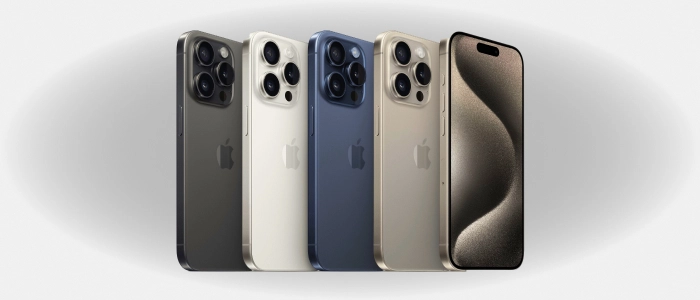
1. Consistency & Simplicity: To develop iPhones apps, you need to focus on a consistent and straightforward user interface that offers a smooth experience to the user. Apple’s design patterns always focus on ease of use and simplicity. This makes iPhones more attractive options for users.
2. App Quality: The Apple App Store is known for the finest collection of premium quality apps. All these applications are mindfully designed to meet all security standards. This leads to a very positive and secure user experience.
3. Ecosystem Integration: Apple’s unified ecosystem allows all devices like iPhones, Macs, Apple Watches, and iPads to work together. This ecosystem integration feature gives a consistent experience to the users.
4. Timely Updates: In terms of timely updates, Apple always stands at the top of the list. It offers long software and hardware updates to iOS-compatible devices consistently. This makes Apple a more lucrative choice for users.
Android Devices
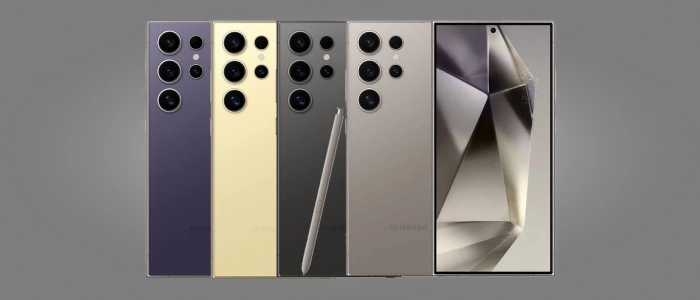
1. Customization Options: Android is known for its high level of customization options. As a user, you can customize your device’s appearance, personalize your themes & customize, and use several launchers.
2. Hardware Options: As Android is an open-source OS, this is used by several manufacturers worldwide. Therefore, you will get a range of hardware options based on specifications, different designs, as well as price tags. This diversity helps users select the best devices based on their preferences.
3. File Management: In terms of file management, Android devices provide better flexibility as compared to iPhones. As a result, users can easily access & transfer files as compared to restricted iOS file management.
4. Google Services Integration: Android smartphones and tablets integrate with Google services, including Google Calendar, Gmail, and Drive seamlessly. The Google Services Integration gives a very smooth experience to the users.
Why iPhones are Better Than Androids Devices?
There are several reasons for choosing iPhones over Android devices. It mostly depends on the user’s preferences and perspectives. The following factors will help you know why an iPhone is better than an Android device.

1. User Interface (UX): iPhones are popular for their smooth and sophisticated user interface. Its operating system and intuitive UI give a consistent and unparalleled user experience to Android. And now that Apple has announced forthcoming support for being able to send an RCS message, that will give users even more flexibility for their messaging experience specifically.
2. Ecosystem Integration: Apple provides a unified ecosystem where all iOS devices including iPhones, Apple Watches, iPads, and Macs seamlessly work together. Users highly prefer software and hardware integration across multiple Apple products.
3. App Quality: The App Store provides a strong application review process that results in a perfect list of premium-quality apps. This helps users download secure apps and enjoy a top-notch experience.
4. On-time Software Updates: Apple manages its software & hardware system and provides software updates timely for all iOS-supported devices. This mainly leads to a consistent user experience & also ensures that every Apple user gets the latest version of software and security updates.
5. Privacy & Security: iPhones and other iOS devices are more secure because of the strong security measures & policies of Apple. Apple deeply focuses on user privacy and provides features like Face ID that are designed with high security standards.
6. Resale Value: As compared to other Android devices, iPhones have better resale value. This is because Apple has a unique brand value and it gives software updates for a long period. This makes older iOS devices more updated.
7. Brand Loyalty: When it comes to brand loyalty, no one can beat Apple. Users prefer to use iPhones and other iOS devices because of their strong brand value and trust. Apart from that, some users prefer to show the prestigious brand logo with their iPhones as a status symbol.
8. Customer Support: Apple is also known for top-notch customer support services. The AppleCare services help users with complete assistance & post-purchase support solutions. Generally, free repairs and replacements are available during the warranty period. To check if your iPhone is under warranty, you can use the iPhone serial number lookup tool and get free service done. You can’t expect this level of support from many Android device manufacturers.
9. Smooth Hardware Experience: As Apple develops its software and hardware system, iPhones provide a consistent and smooth user experience across all models. Users enjoy similar functionalities and features, regardless of the iPhones they buy.
Want to Hire Mobile App Developers?
Take your business to the next level with our industry-specific Android app development services.
Final Words
The choice between iPhone or Android devices highly depends on user preferences and perspectives. As Android is used by several smartphone manufacturers, its customization options are more diverse than iPhones. On the other hand, iPhones are known for their brand value, top-notch security features, and sophisticated UI. They will give you a seamless user experience with long-term software updates. Therefore, whether you buy an iPhone or an Android smartphone, your choice totally relies on your budget and preferences.
FAQ’s
Why do people prefer the iPhone over Android?
People prefer using iPhones over Android for several reasons, however, individual preferences may vary. Some of the most preferred factors include:
- Apple’s strong ecosystem support
- Sophisticated and consistent user experience
- Robust security standards
- On-time software updates
- Apple’s brand value
- Consistent hardware experience
- Better customer support
- High resale value
Which is more user-friendly, an iPhone or an Android?
The popularity and user-friendliness of iPhones and Android devices depend on user preferences and use patterns. Both devices have a set of strengths and unique features that give an unparalleled user experience to the users.
Some users prefer using iPhones because of simplicity, ecosystem integration, timely updates, and app quality. On the other hand, many users choose Android devices because of better customization, broad hardware options, better file management, and Google services integration.
How much does it take to create an app?
The cost of mobile app development technically varies, ranging from $10,000 to $150,000. According to developers, complexity level is one of the key factors that influences development costs. Other factors include app types, features and functionalities, app development platforms, developer’s hourly rates, locations, etc.
| App types | Estimated Timeline | Development costs in USD |
| Simple apps | 1 to 2 months | $10,000 to $25,000 |
| Mid-level apps | 2 to 6 months | $25,000 to $60,000 |
| Highly complex apps | 6 to 12 months | $60,000 to $1,50,000+ |


 Anand Mahajan

 Shaili Gupta

 Souradeep Kundu
 Shivraj Dhaygude