Our world is changing fast every day. We now have light we can talk to at home, and significant workplaces full of linked-up tech. The IoT is not just a plan; it’s here now, and it’s all over the place. As much fun as this sounds, there’s something not talked about a lot: how hard it can be to make a budget for an IoT project.
So, what’s IoT work budgeting?
Put simply, it’s about working out how much cash you’ll need to make your IoT plan real. It’s more than just writing some numbers down. You need to think about the cost of gear, feelers, tech, cloud space, web links, safekeeping, and upkeep; all these costs add up quickly. Every job is different, too, so you can’t use the exact cost guess for everything.
And here’s where it gets even tougher. Figuring out the correct cost of an IoT Development isn’t easy. Things can shift at any time. New tech shows up, costs for stuff can go up and down, and cloud services have different prices. If you miss even a small thing, you might use up your budget too soon.
That’s why more groups and creators go for IoT Cost Calculators. These clever tools help you guess how much your work might cost by looking at many things, from how many devices you need to the type of links and data space you’ll use. They make it easier to plan, dodge sudden costs, and make wise budgets.
In this blog, we’ll look more at how these tools work, why they’re liked more now, and how they can save your time, money, and lots of worry while you plan your next IoT task.
Determining IoT app development costs can be complex and overwhelming
Get instant, tailored cost insights from leading IoT development companies
What is an IoT Cost Calculator?
Let’s say you are about to set up an IoT solution like a smart house, a track for goods, or tech for smart farming. The first big thing you might think is, “What will this cost me?” That’s a good point, as IoT isn’t just about getting some tools and using them. It involves many bits and steps.
This is where an IoT Cost Calculator helps a lot. It’s an IoT application-based helper that lets you know the total cost of your IoT work before you begin to build it. See it as a competent helper that does the math for you.
Instead of just making a wild guess or jotting down quick numbers, this tool lets you put in facts like:
- How many devices or sensors do you need?
- What sensor or hardware are you planning to use?
- Wi-Fi, 4G, 5G, and other connections will require your equipment.
- Cloud storage requirements for all the data your devices will collect
- Software development, maintenance, and security costs
- And even future scaling or upgrade costs
Once you feed in these details, the calculator gives you a solid cost estimate for your entire project. It might also show you a breakdown of where your money is going, like how much you’ll spend on hardware, software, connectivity, and so on.
Some high-tech counting tools let you look over many ideas. For instance, you can see how moving from Wi-Fi to 5G changes your whole money plan, or what happens if you double the number of devices. It’s an excellent help not to get hit with money shocks next.
In a few words, this IoT Cost Calculator pulls out the unsure parts from making plans. It helps firms and people who make things think smart, spend well, and choose with trust before putting down any money.
Why Traditional IoT Budgeting Methods Fall Short?

Most of us have tried to prepare a project budget using traditional approaches like as spreadsheets, ballpark estimates, or back-of-the-envelope calculations. And, while this may work for tiny, uncomplicated applications, it falls short when it comes to IoT.
Why?
Because IoT solutions are a whole lot different, you work with many things: fundamental technical tools, development process, online services, saving data, links, and safety. Each one costs money, and the price may shift based on things such as place, no. of tools you use, how much data you use, and new tech.
Now, here’s where traditional budgeting methods start to crack:
- Too Many Moving Parts
IoT development has many parts: sensors, devices, apps, web plans, and upkeep. New plans often fail to keep up with all these bits well. If you skip one part, your whole cost guess can end up wrong.
- No Real-Time Cost Updates
The cost of things moves. Gear costs less, new ways to connect come out, and cloud service prices shift, too. With old ways, your price guesses get old fast. They do not think about fast changes in the market.
- Hidden Costs Get Overlooked
IoT jobs can have sneaky extra costs, such as changes to firmware, data moving fees, or the price to swap devices. Usual budget plans zero in on the first costs and miss the later day-to-day upkeep and working costs that can show up later.
- Scaling Complicates Everything
IoT app development projects tend to grow. You may start with 10 tools, then see if you need 100 more. Old ways find it hard to tell how growing big will hit your money plan. This can bring nasty shocks when you try to make it bigger.
- Lack of Flexibility
Assume you want to run various scenarios, such as comparing the cost of using Wi-Fi vs. 5G or deciding between two sensor kinds. In that instance, typical budgeting makes the procedure time-consuming and laborious. It’s not built for quick adjustments or side-by-side comparisons.
- It’s Just Too Time-Consuming
Let’s not forget the sheer amount of time it takes to manually gather pricing, check for updates, calculate totals, and build reports. In fast-paced industries, spending days or weeks on budgeting is a luxury most teams don’t have.
Old budget plans were not made for the quickly changing world of IoT. They have too much space for mistakes, do not see hidden costs, and are too slow and not correct enough to make good choices.
The Rise of IoT Cost Calculators
In recent years, IoT app development companies have spread far and wide in many work areas. From smart homes and cars that talk to each other, to big machines and health tools, it looks like everyone is using smart tech. Yet, this new trend has brought a new issue: how do you make plans and set money aside for these tasks when there’s so much we don’t know?
For a while, companies used guesswork, big tables, or long talks with many sellers to figure out how much things would cost. Similarly, in the luxury sector, innovations like a watch valuation tool provide collectors and sellers with instant, data-driven insights into their timepieces’ market worth eliminating guesswork just like IoT calculators do for tech projects.” But these ways were slow, complex, and often not right on the money. That’s when IoT cost calculators started gaining attention.
At first, these tools were simple, basic online calculators where you could punch in a few details and get a ballpark figure. But as the demand for connected solutions grew, so did the expectations from these tools. Modern IoT cost calculators are now smarter, faster, and packed with valuable features.
Why are They Becoming So Popular?
In fact, the IoT Cost Calculator can help you manage your IoT development services costs so that it is not a roadblock for you.
Instead of running after vendors, handling many offers, or being unclear about your IoT app development costs, you can put in your project information. The information includes how many devices you need, the type of connection you want, how much storage you need, and what must be built.
By applying all these checkpoints, you can learn the cost in just a few minutes. Some tools even let you try out different ways to see how your costs might change if you had more devices, switched to 5G, or picked a different cloud service.
Firms like this since it saves them time, cuts down on risks, and makes choices faster. You don’t need to be a money pro or an IoT expert to use these tools; they are made for all business owners, product directors, and those starting new firms, too.
Instead of chasing vendors, managing several estimates, or guessing your way through a budget, you can enter project details such as the number of devices required, preferred connectivity type, storage requirements, and development requirements and receive a detailed cost estimate in minutes.
Some even allow you to run several scenarios to see how your costs might vary if you added additional devices, moved to 5G, or used a different cloud provider.
Businesses value them because they save time, minimise risk, and allow for faster decision-making.
You don’t have to be a finance expert or an IoT software developer to utilise these tools; they’re designed for regular business owners, product managers, and startup founders.
What You Must-Have in Today’s IoT Planning
As IoT businesses are growing in numbers and are becoming increasingly difficult to handle, it’s not odd that these tools have moved from just “good to have” to key bits of IoT planning. They help firms dodge high price shocks, keep plans in check with money terms, and help choose wisely, all backed by data, before even a sensor is put in place.
In simple words, IoT Cost Calculators have become one of the top tools in the tech field that links devices, and they are just starting to rise more.
Curious About How Iot Services Can Boost Your Efficiency?
Use Our Iot Cost Calculator to See the Benefits for Yourself!
How IoT Cost Calculators Work?
By now, you know that IoT Cost Calculators are handy tools for estimating project budgets. But how do they work?
In truth, it’s a brilliant mix of reasons, price info, and smart codes doing work behind the scenes. Let’s make it easy and show you step by step what happens when you use one.
Key Inputs and Parameters
Before the calculator can give you an estimate, it needs some details about your project. These are the details you provide to the calculator about what you intend to construct; they are also known as inputs or parameters.
- How many tools and sensors will you put in place?
- What kind of stuff, like cameras, heat checks, move checks, and more?
- Which way to connect do you like: Wi-Fi, Bluetooth, 4G, 5G, LoRaWAN, or a different one?
- How much data will your tools gather and keep?
- What kind of software development do you need?
- What security and encryption steps will you use?
- How long will it take to complete the job, and how long will you continue it?
- Where are you, since device and service costs can change by place?
- The more you tell us, the better we can guess the cost.
Cost Factors They Typically Consider
Once you’ve entered your inputs, the calculator runs the numbers based on various cost factors. These things deal with both now and later costs. Here are some of the most seen ones:
- Hardware Costs: How much are computers, sensors, and links?
- Connectivity Charges: How much do you pay for web or network use per thing?
- Cloud and Data Storage Fees: What does it cost to keep and use your data on the web?
- Software Development Costs: Making your apps, screens, and links.
- Integration Costs: Tying your IoT fix to what you have now.
- Security Expenses: Locking your data, watching for risks, and using tools for rules.
- Maintenance & Support: Often updates, fixing issues, and new parts.
- Scaling Costs: Expenses you might incur if your project grows in size later
By factoring in these elements, the calculator ensures that your budget isn’t just based on the obvious expenses but also covers the hidden and ongoing costs.
Benefits of Using an IoT Cost Calculator
If you’ve ever been involved in planning a tech project, you know one thing for sure: budgeting can be stressful. You have so many costs to track, numbers to estimate, and decisions to make, and one slight miscalculation can throw your whole plan off balance. That’s precisely why IoT cost calculators are becoming a go-to tool for businesses working on connected projects.
Let’s look at some of the most significant benefits of using one.
Faster Project Planning

Before, setting a budget plan for an IoT task meant many emails, talks with sellers, and waiting for days (or even weeks) for price tags. By the time you had all the info, the project size may have shifted!
Now, with an IoT Cost Calculator, you can find a price in just minutes. Just key in your project facts, and the tool works out the sums on its own. No need to run after folks, no big spreadsheets. It’s quick, simple, and saves a lot of time, which is great when you must think about many money plans or look at choices.
Accurate Budget Forecasting
Using old quotes or your gut to guess project costs is not safe. IoT projects have a lot of parts, like hardware and cloud space, to keep them secure and take care of them for a long time, and it’s easy to miss extra costs.
An IoT Cost Calculator helps you catch all the small things. It adds up not just the first costs, but also the expenses that keep coming, like staying connected, storing data, help, and updates for the system. This way, you see an actual, clear cost of what your project will need, now and later, no more bad shocks in the middle of your work.
Smarter Decision-Making for Stakeholders

When you work with a team like investors, clients, or bosses, all of them need answers:
- How much will it cost?
- How long will it take?
- What if we make it bigger later?
An IoT Cost Calculator lets you use real numbers to back up your choices. You’ll have precise, set numbers to show in talks and meetings. It helps you weigh different plans and show why one way may be less costly than another.
In short, it builds trust. When people see that your money plans are firm and based on real numbers, they’re more likely to back your ideas and say yes to go ahead.
Top Industries Leveraging IoT Cost Calculators
IoT in smart homes and innovative workplaces involves many types of work, such as linking up devices, getting data, and making things run better. But with all the bits in these plans, having the right money plan is key, and that’s why many fields are using IoT Cost Calculators to help them think smarter.
Manufacturing:

Making things was one of the first areas in which IoT technology was used. With linked machines and livestock checks, makers use the IoTs to up their output and cut down on stops. But, with tools spread out in plants and significant storage places, figuring out costs can be hard.
IoT cost calculators assist manufacturers in forecasting everything from sensor costs to network fees and maintenance charges. It enables businesses to plan for improvements, expansions, and even downtime management without disrupting production.
Smart Home & Consumer Electronics:

Smart lights, voice assistants, and safety setups are now found in many homes. Firms making these items use IoT Cost Calculators to estimate the full price of starting new devices and services.
These aids let them count in the cost of hardware, mobile app development, cloud storage, and the cost of helping customers always. It’s a simple way for tech firms to mix low cost with new ideas.
Healthcare:

In healthcare development, IoT is changing a lot. It lets doctors watch patients from afar and makes medical gear smarter. But these IoT works in healthcare are hard. They need tough safety steps, careful data care, and non-stop checks.
IoT cost calculators help hospitals and health tech firms see all the money bits clearly for gadgets, data keeping, rule tools, and upkeep. This lets them set up projects just right, while keeping to strict budgets and rules.
Retail & Logistics:

Retailers and logistics companies use IoT for everything, like smart shelves, tracking boxes, and livestock counts. Many plans have lots or even more IoT units in lots of places.
With an IoT price tool, companies can guess how much it will cost to grow their IoT setups, see how much room they’ll need for data, and plan for network fees or new gear. This helps them add new tech without spending too much.
Agriculture & Smart Farming:
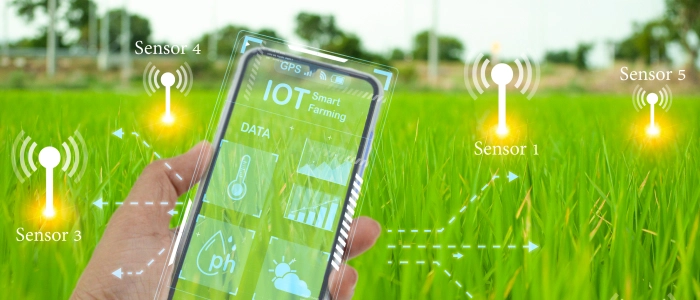
Yes, even farming work now uses new tech! IoT devices can continuously monitor soil moisture, air quality, and crop shape. For farmers and farm tech firms, planning money for these tools isn’t easy because the price of gear, links, and data care might change in each place.
An IoT price tool helps make this easier, allowing them to know how much it will take to start innovative water systems or link many farmlands to cloud tools.
Future of IoT Project Budgeting
One truth we know about IoT technology and IoT app development is this: it keeps moving. As smart devices get newer, cost less, and are turnkey for our day-to-day lives and work, the way we set up and plan money for these tasks changes too.
Let’s see what money plans for IoT work look like soon.
- Budgeting Will Get Smarter and Faster:
Long meetings, disorganised spreadsheets, and guessing are no longer the norm. IoT budgeting will soon be faster, more intelligent, and far more automated.
Tools such as IoT cost calculators will grow better, using live market prices for devices, cloud help, and connection plans. You’ll make the right budgets fast, change them as needed, and know about long-term running costs with no need for a finance degree.
- AI-Powered Cost Calculators Will Lead the Way
We’ll see a massive change with AI-powered IoT Cost Calculators. These won’t only work out costs from what you put in. They will check your whole plan, look at other like projects, and offer wiser, less costly options.
The IoT Cost Calculator that doesn’t just give you the price, but also points to less expensive hardware, estimates upkeep costs, and alerts you to money risks that could come up later. That’s the kind of money planning aid that companies will get to use very soon.
- Integration with IoT Management Platforms
Another exciting trend is how cost estimation tools will seamlessly connect with IoT project management software. This means you’ll be able to manage all of your budgets, devices, planning, and performance metrics in one place.
Your budget will update automatically when you add more devices or change the project’s scope, giving you complete control and transparency throughout.
- More Focus on Predicting Long-Term Costs
Right now, many ways to plan budgets care a lot about early costs. But as IoT plans get bigger, the lasting costs go up too. These include storing data, paying for cloud use, changing out old devices, and updating the software.
Soon, new budget tools for IoT will let companies guess and get ready for these constant costs so that they won’t be surprised years later.
The future of IoT project budgeting is shaping up to be smart, faster, and much more reliable. With AI, real-time data, and integrated planning units, businesses will have everything needed to estimate, track, and manage their affiliated projects with confidence. And this means that there is little budget surprise, better decision-making, and equalization of IoT roles for everyone.
Is your business missing out on real-time data and automation?
Our IoT Technology Solutions provide seamless connectivity and efficiency.
Conclusion
No one can say that IoT projects are fun, but they are challenging to set up and pay for.
That’s why IoT Cost Calculators are now key for companies and developers. They make the money plan simple, fasten up setup planning, and show you an accurate plan.
As IoT application development technology grows, these tools will only get sharper, more high-tech, and better at keeping firms safe from money shocks. From making goods to smart homes and health care, anyone with web-linked tools needs a good, simple money plan tool by their side.
So, if you’re about to start your own IoT project or redesign your old one, don’t just guess your budget. Use an IoT cost calculator and plan with sure steps. It’s a small move that could keep you from losing time, cash, and big troubles later.
FAQ’s:
- Are there any ongoing maintenance or support costs after the initial development?
Yes, most IoT projects involve ongoing costs for software updates, device monitoring, cloud storage, and technical support. It’s important to plan for these expenses as part of your long-term budget.
- Can you provide a breakdown of the cost components, such as hardware, software development, testing, and deployment?
Absolutely! We typically break down costs into hardware, software development, cloud services, connectivity, testing, deployment, security, and ongoing maintenance. A detailed estimate is provided before the project begins.
- Do you charge on an hourly basis, fixed project cost, or another pricing model?
We offer flexible pricing based on your project needs — hourly rates for short-term tasks, fixed project pricing for complete solutions, or custom pricing for large, evolving projects.
- How do you handle changes in project scope, and how would those impact the overall cost?
If your project scope changes, we promptly review and update the budget and timeline. Any additional features or changes are discussed and approved before moving forward, ensuring transparency.
- How do you handle unexpected technical challenges or issues that may arise during development?
We plan for possible risks during the initial stages but if surprises pop up, our team communicates early, offers practical solutions, and adjusts timelines or costs only with your approval.


 Anand Mahajan