
So you have an idea for an app. You have researched, brainstormed, and envisioned an app with a unique value proposition. Now it needs to be developed into a commercially viable product. The only thing left to decide is how to do it. Well, you have two options here. You can either develop the app in-house or outsource it to a third-party developer.

The growing popularity of smartphones has seen a boom in the mobile app development industry. According to Statista, the total revenue generated by this industry will reach $935.2 billion by 2024. On top of that, around 1.56 billion units of smartphones are sold every year.
This means that the mobile app development industry is set to grow at an unprecedented rate in the coming years. The increase in customer base and adoption of hand-held devices substantiate the rising demand explosion for mobile apps worldwide.
But when it comes to app development, you still need to make a choice. Do you rely on your in-house team or should you opt to outsource the development process? According to Statista, 64% of businesses choose to outsource app development to third-party vendors. Should you do the same?
Before deciding that, consider your budget, team expertise, and requirement. What may work out for a large company with an expert in-house team may not be ideal for smaller businesses.
Why Consider Outsourcing App Development?
Having an in-house team of developers has its own benefits. Right from the start, you will work with a team that is fully attuned to the end vision. You will also have greater flexibility over the development process.
However, hiring a full team of developers may prove expensive in the long run. An in-house team also offers limited experience when compared to third-party developers. An app development company will have more expertise when it comes to using the latest technological stacks.
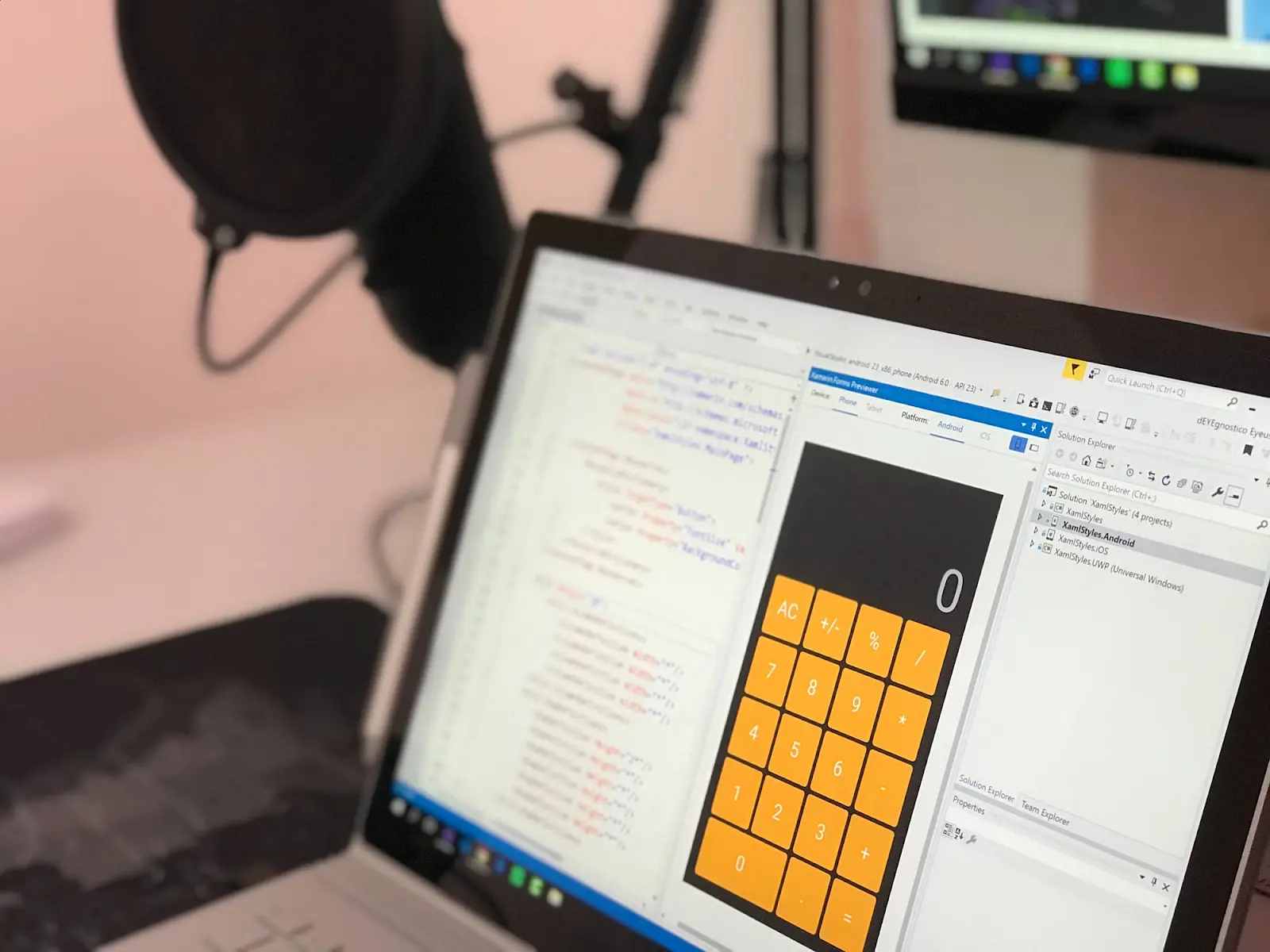
Outsourcing app development cuts down your development costs with quicker project turnaround time. There is no dearth of quality outsourcing developers who can deliver projects at a fraction of the cost of developing them in-house.
Third-party developers can offer more scalability, richer functionalities, and a seamless user experience when compared to in-house teams. With years of market experience and technological expertise, they give you an added perspective of what works. They have their fingers on the pulse of the market and are more attuned to changing needs and demands of consumers.
Pros and Cons of Outsourcing App Development
Most businesses understand that hiring an external vendor to develop an app is the wiser choice. However, before you make that decision, it is important to be aware of the benefits and limitations of outsourcing developers.
Pros of Outsourcing App Development
- Affordability: Third-party developers are budget-friendly and offer quality service at attractive prices. The extreme competition in the app development industry compels businesses to offer enhanced capabilities at heavy discounts.
- Expertise: They offer greater technological expertise and are adept in the latest frameworks used in both iOS and Android platforms.
- Timely Delivery: Projects are usually structured by allocating different deliverables to separate teams. This accelerates the development process and ensures the timely delivery.
- Efficient Project Management: Years of experience working with similar models enable third-party developers to streamline their process. This ensures smoother collaboration within the team, leaving little scope for mismanagement.
Cons of Outsourcing App Development
- Miscommunication: Outsourcing app development to an external agency requires a lot of back and forth communication. The team needs to be on the same page with your business goals, ethics, and end vision. Lack of proper communication can result in poorly developed apps or developing an app different than what envisioned.
- Poor quality control: With external agencies, you will have little control over the design and implementation process. If not checked, quality issues can crop up unnoticed and spell disaster over the project.
- Leakage of confidential information: There may be concerns of data privacy with less reputable vendors. One way to avoid this is to sign a non-disclosure agreement with your service provider.
How to Select the Agency for Outsourcing Mobile App Development?
Choosing the correct agency to outsource mobile app development is critical to a successful project. Here’s an improved way to make the best decision:
Define the Preferred Geography
Choosing a development agency by location is critical for budget, time zone compatibility, and experience. Some major concerns are:
- Onshore vs. Offshore: Onshore agencies improve communication and legal compliance, whilst offshore agencies frequently give cost-effective alternatives.
- Time Zone Differences: Ensure that working hours overlap to allow for smooth communication.
- Regulatory Compliance: Ensure that the agency understands and complies with local data security and app development regulations.
Clarify the Scope of Work
Before shortlisting an agency, describe your expectations from them:
- Project Requirements: Clearly define functionality, technology stack preferences, and user experience expectations.
- Milestones and deliverables: Request a planned timetable with particular phases of development.
- Customization against off-the-shelf solutions: Ensure that the agency provides personalized solutions that are tailored to your company’s specific requirements.
Evaluate Post-Launch Support & Maintenance
A successful app requires regular updates and maintenance.
- Bug Fixes: Check with the agency regarding bug fixes and security updates. Will they provide ongoing support for software patches and security vulnerabilities?
- Feature Enhancements: Can they assist scale the app by introducing additional features after launch?
- Service Level Agreement (SLA): Determine their response time and support commitment.
Assess Communication & Collaboration
A seamless connection is essential for an outsourced project. Ensure:
- Regular Updates and Reporting: The agency should give structured progress reports and agile development updates.
- Preferred Communication Technologies: They should be familiar with technologies such as Slack, Jira, and Trello to facilitate cooperation.
- Cultural and language compatibility: Choose an agency that understands your language and company culture.
Review Quality & Portfolio
The agency’s previous projects can help you understand their skills and capabilities. Search for:
- Portfolio and Case Studies: Evaluate their work based on UI/UX quality, performance, and utility.
- Client Testimonials and Reviews: Look for feedback on platforms such as Clutch, GoodFirms, and Google Reviews.
- Code Quality and Testing Standards: Ensure that they adhere to acceptable coding techniques, do thorough testing, and employ CI/CD pipelines.
What are the Biggest Mobile App Development Outsourcing Trends?
Outsourcing mobile app development is changing fast, with new trends making it more secure, efficient, and eco-friendly. Here are the biggest trends shaping the industry:
Cybersecurity is a Must
With hackers and data leaks on the rise, security is now a top priority. Companies want strong protection, including one-to-end encryption, multi-factor authentication (MFA), and compliance with laws like GDPR and HIPAA. Developers are now using safer coding methods, regular security checks, and AI to detect threats.
Automation with RPA (Robotic Process Automation)
Robotic Process Automation (RPA) is making app development faster by automating repetitive tasks like testing, bug fixing, and deployment. This reduces errors, saves time, and helps launch the app more quickly. AI-powered automation tools are becoming a standard part of outsourcing.
Hybrid Cloud for Better Performance
Businesses are using a mix of public and private cloud services to make their apps more scalable and secure. Agencies that work with AWS, Google Cloud, and Microsoft Azure help businesses manage data better while keeping costs under control.
Green IT and Sustainable Development
As more businesses focus on the environment, app developers are adopting eco-friendly coding, energy-efficient cloud solutions, and optimized software to reduce power use. Companies prefer outsourcing partners who follow Green IT practices.
Agile Development for Faster Results
Many companies are using Agile and DevOps methods to improve teamwork and make the development process faster. Scrum-based workflows continuous testing, and real-time updates so they can make changes quickly and keep up with user needs.
Estimating the Cost of Outsourcing App Development
The cost of outsourcing app development depends on multiple factors, such as:
- Type of app – The first thing you need to define is whether you are looking at a basic structure or a complex one. A basic app will be simple to build with limited user experience, hence will cost less. Complex app structures will require additional support and expertise, affecting your budget considerably.
- Features and functionalities – Generic pre-built features cost less in terms of time and resources. On the other hand, additional features will require extra time and capabilities, and both spell money.
- Geographical Location – Different countries offer different price ranges and expertise for app development. For example, Indian developers have more affordable rates than developers in Dubai and the U.S.
- Duration and scope of the project – How many resources are required to complete the project within the desired timeline? The more resource-intensive your project is the more expensive it will be.
Generally, the cost of building an app through outsourced developers ranges between $10k to $50k. A basic app with low functionalities may cost you around $5000 while a complex app with a full range of functionalities can be anything upward of $15,000.
Steps To Outsource App Development
If you are wondering how to outsource app development, you are on the right page. Follow these steps to develop your app in an effective way.

- Research on possible agencies – Ask for their portfolio and samples of past projects. Read up client reviews to understand the work culture and ethics followed by the agency.
- Make a project plan and set clear expectations – Structure your app idea in a way that doesn’t leave any room for confusion. You can ask the agency to help you brainstorm on what else is possible.
- Set a budget and timeline for your project – Expected timelines depend on the project deliverables. Review timelines after completion of each phase.
- Communicate clearly and effectively – A good agency will have a team of experts handling your project. You will also be assigned a project manager who will collaborate between you and his team. Give detailed instructions to your project manager to avoid delays due to miscommunication.
- Finalize your Service Level Agreement – The SLA will clearly define end goals and avoid any miscommunication regarding desired objectives. It will also help you define your expectations and desired outcome.
- Draw up an NDA to ensure data privacy – Remember that information is power. Confidential company data needs to be secured under a non-disclosure agreement.
- Review each stage and ask for a/b testing to optimize the app – Give feedback and take corrective measures to amend the development process after each phase of delivery.
- Continuous maintenance and regular updates are important to keep your app in demand – Ensure that you are opting for end-to-end service that includes maintenance and updates.
- Promote your app after its launch to increase visibility and attract consumers – Your service provider may be able to help you with this.
Common Pitfalls to Avoid While Outsourcing App Development
Outsourcing app development may seem to be the right choice for you. But businesses often make silly mistakes that spell disaster on their project. Take heed of this advice to avoid common mistakes companies usually make while hiring external developers.
- Choose a reputable agency. Do thorough market research and read client reviews before choosing an external agency. You can consider Staff Augmentation Services and opt for more flexibility and control over the development.
- Choose the right platform for your app. Android apps have a far greater consumer base than iOS apps. Your app needs to reach out to the maximum possible consumers. If you are a startup or developing your app on a limited budget, you can opt to phase the development process into two parts. Choosing to develop the app on an android platform initially will give you wider recognition.
- Estimate the correct timeline to avoid the stress of deadlines. If you are outsourcing from a different country, take into consideration the time lags due to different geo-locations.
- Have clarity in your expectations. Spell them out in clear, tangible terms. Know what is possible in terms of design and functionality and what is not. Understand your limitations and brainstorm with your developer to overcome them.
- Sign an NDA to protect your business information from being leaked to potential competitors.
FAQ’s
1. How to outsource app development?
To outsource app development, first define your app’s requirements, budget, and features. Research and shortlist agencies on platforms like Clutch or Upwork, check their portfolio and read client reviews. Discuss pricing, timelines, and post-launch support before signing a clear contract. Stay involved by having regular updates and meetings to ensure smooth progress.
2. What are the most common types of app development outsourcing?
The three main types of outsourcing are onshore (same country, high cost, easy communication), nearshore (neighboring country, moderate cost, similar time zone), and offshore (distant country, lower cost, possible communication challenges). Businesses choose based on their budget, expertise needs, and project requirements.
3. How to check outsource app developer expertise?
Check their portfolio for past projects, read client reviews on platforms like Clutch, and ask for references. Assess their technical skills, communication, and responsiveness. If unsure, assign a small test project before committing to a full contract.


 Anand Mahajan

 Souradeep Kundu

 Shivraj Dhaygude